
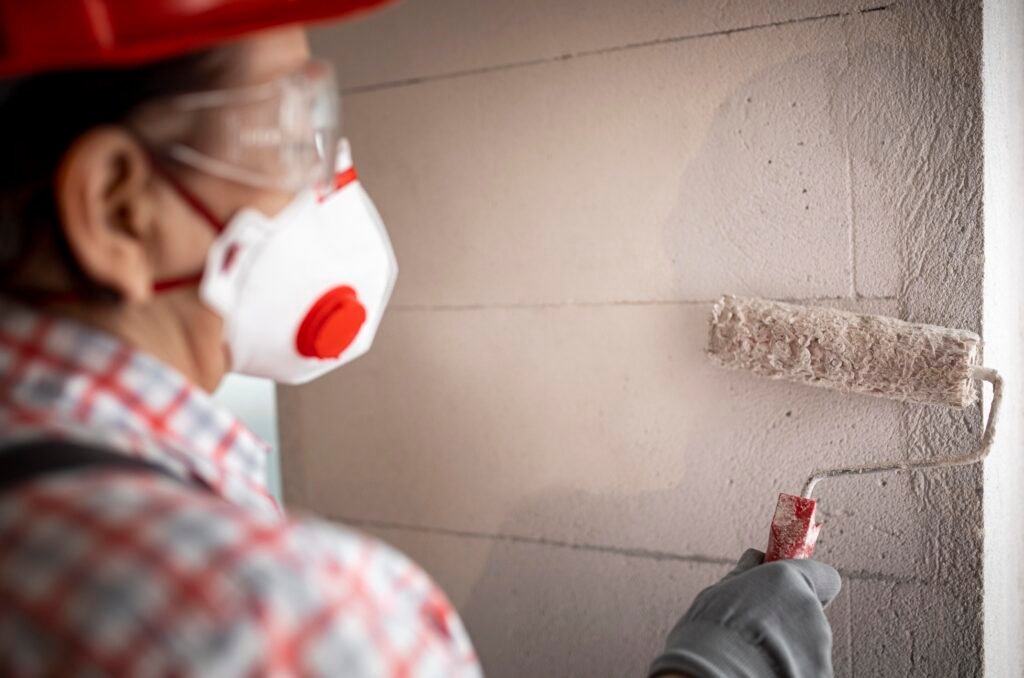
Water stains, peeling paint and a recurring damp smell can point to a moisture problem, but the visible mark may not show where the water entered. Before choosing a waterproofing product, identify the affected area and likely source. A terrace, bathroom and exterior wall may each need a different system.
This guide explains what homeowners can inspect and what to discuss with a product supplier or qualified applicator when planning home waterproofing in Guwahati.
Look for the source before treating the stain
Check when the problem appears and where it shows up. A ceiling mark after rain may have a different cause from a patch near a bathroom pipe. Possible sources include roof or terrace seepage, failed joints, plumbing leaks, cracks, blocked drainage or condensation.
If the damp patch keeps returning, spreads, or appears with damaged plaster, arrange an inspection. Painting over the mark may hide it temporarily without resolving the cause.
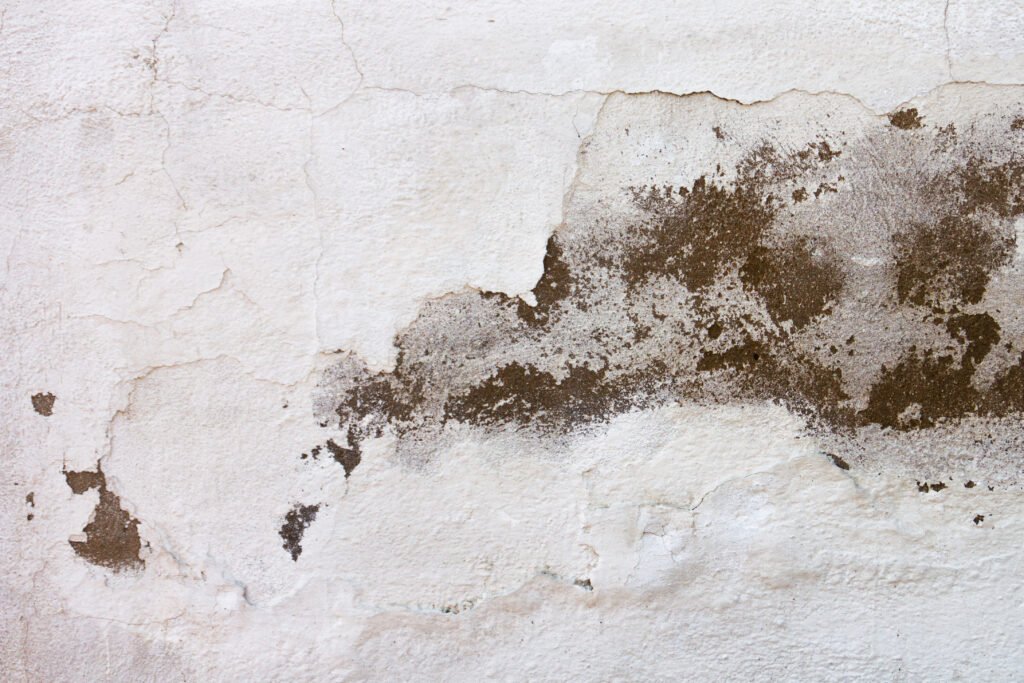
Check these moisture-prone areas
Terrace and roof: inspect for standing water, blocked outlets, cracked areas and weak joints.
Balcony: check the floor, wall junctions and drainage path for cracks or water pooling.
Bathroom and kitchen: look around pipe entries, floor-wall corners, drains and wet areas.
Exterior walls and window joints: inspect for cracks, gaps and damp patches after rainfall.
Basement or ground-floor spaces: check for persistent dampness and get the source assessed.
Match the waterproofing system to the area
A coating intended for an exposed exterior wall may not be the right treatment below bathroom tiles or on a terrace with an existing finish. The system depends on the substrate, water exposure, drainage, cracks and whether the surface will be tiled or left exposed.
Ask for a system recommended for the exact location and surface. Confirm whether it is a surface coating, a membrane below tiles, a crack or joint treatment, or another system. Product labels and technical sheets explain where a product can be used and how it must be applied.
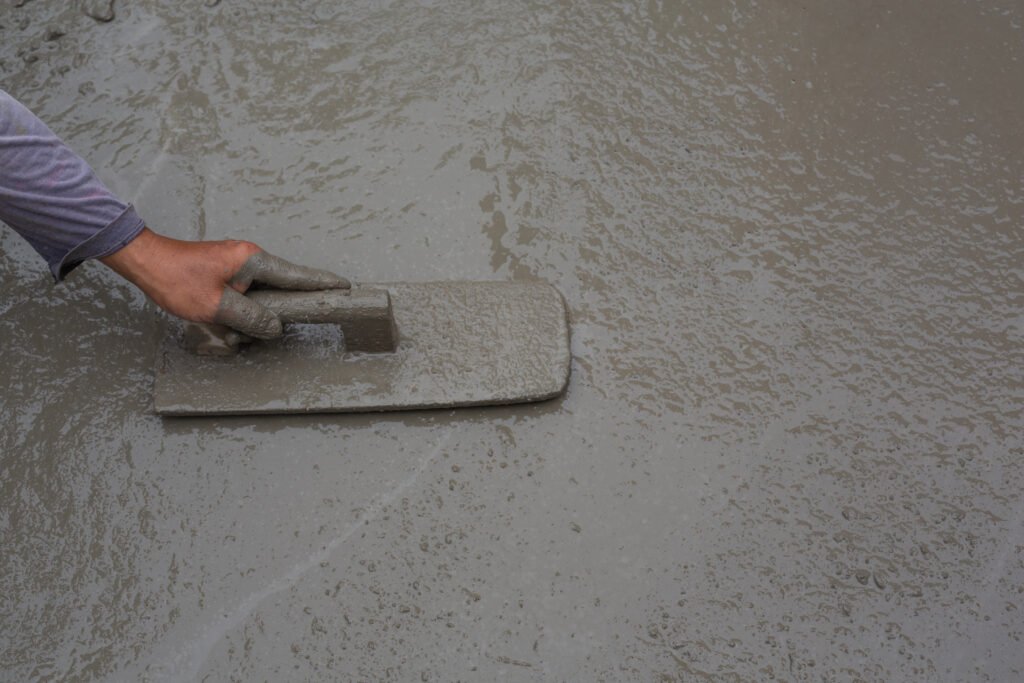
Preparation and application matter
Waterproofing performance depends on more than the product. The surface may need cleaning, removal of loose material, crack or joint repair and drainage corrections before treatment. The specified primer, number of coats, curing time and water testing requirements also matter.
Follow the manufacturer’s instructions for the complete system. For active leaks, recurring seepage or extensive damage, have the area assessed by a qualified waterproofing professional instead of applying a coating as a quick fix.
A pre-rain maintenance check
- Clear terrace and balcony drains so water can flow away.
- Look for new cracks, loose coatings or water pooling, and arrange repairs promptly.
- Check visible plumbing connections and seals in kitchens and bathrooms.
- After heavy rain, note where new damp patches appear and photograph them for an inspection.
- Keep records of the product system and application date for future maintenance.
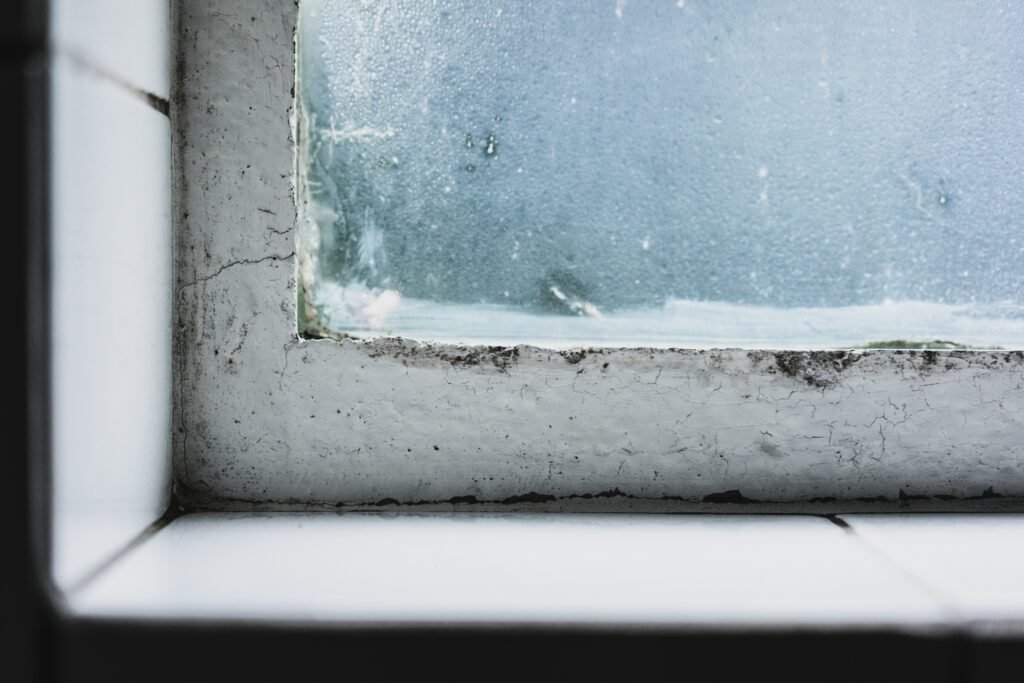
Planning waterproofing in Guwahati
Rain and humidity make it sensible to inspect vulnerable areas before a leak becomes a larger repair. The right timing still depends on the surface condition and the product’s application and curing requirements.
When speaking with Assam Paint House, describe the affected area, surface type and signs you have noticed. Ask which products are currently available for that use and whether the job requires a professional applicator. Confirm the product instructions before work begins.
Once the moisture source is fixed and the surface is ready, read our guide to choosing interior paint for your home in Guwahati.
Frequently asked questions
Which parts of a home commonly need waterproofing?
Terraces, roofs, balconies, bathrooms, kitchens, exterior walls and some basement areas can be exposed to moisture. The correct treatment depends on the cause and surface.
Can waterproof paint stop every leak?
No single coating suits every leak or surface. Persistent or active leakage should be inspected so the source can be identified and the appropriate system selected.
Should waterproofing be done before repainting?
If dampness or seepage is present, identify and address its source before repainting. Follow the selected system’s preparation, drying and curing instructions.
Noticed damp patches or terrace seepage? Contact Assam Paint House in Guwahati with details of the affected area and ask about waterproofing options suited to that surface.